NetSuite ecommerce means selling online with Oracle NetSuite as the system behind the store: the item master, price lists, inventory, customers, and sales orders all live in NetSuite, and the storefront uses them. The idea is simple. The execution depends heavily on which platform you choose and how it connects to the ERP.
This guide covers the four ways to run ecommerce on NetSuite, how each one integrates, what B2C and B2B buyers expect, how to compare total cost, and a checklist for choosing. It is written by the AwaLabs NetSuite team, makers of AwaCommerce Next, and we point out where other options are the better fit.
Why run ecommerce on NetSuite at all
Merchants who run NetSuite already have the hard parts of commerce in one place: items, pricing, stock by location, customers, terms, fulfillment, and accounting. An online store that uses those records directly gives you:
- One source of truth. No second product catalog to maintain and no nightly reconciliation.
- Accurate prices. Customer price levels, contract prices, quantity breaks, and currencies come from the same records your sales team uses.
- Accurate stock. Shoppers see what is actually available, by location if you want.
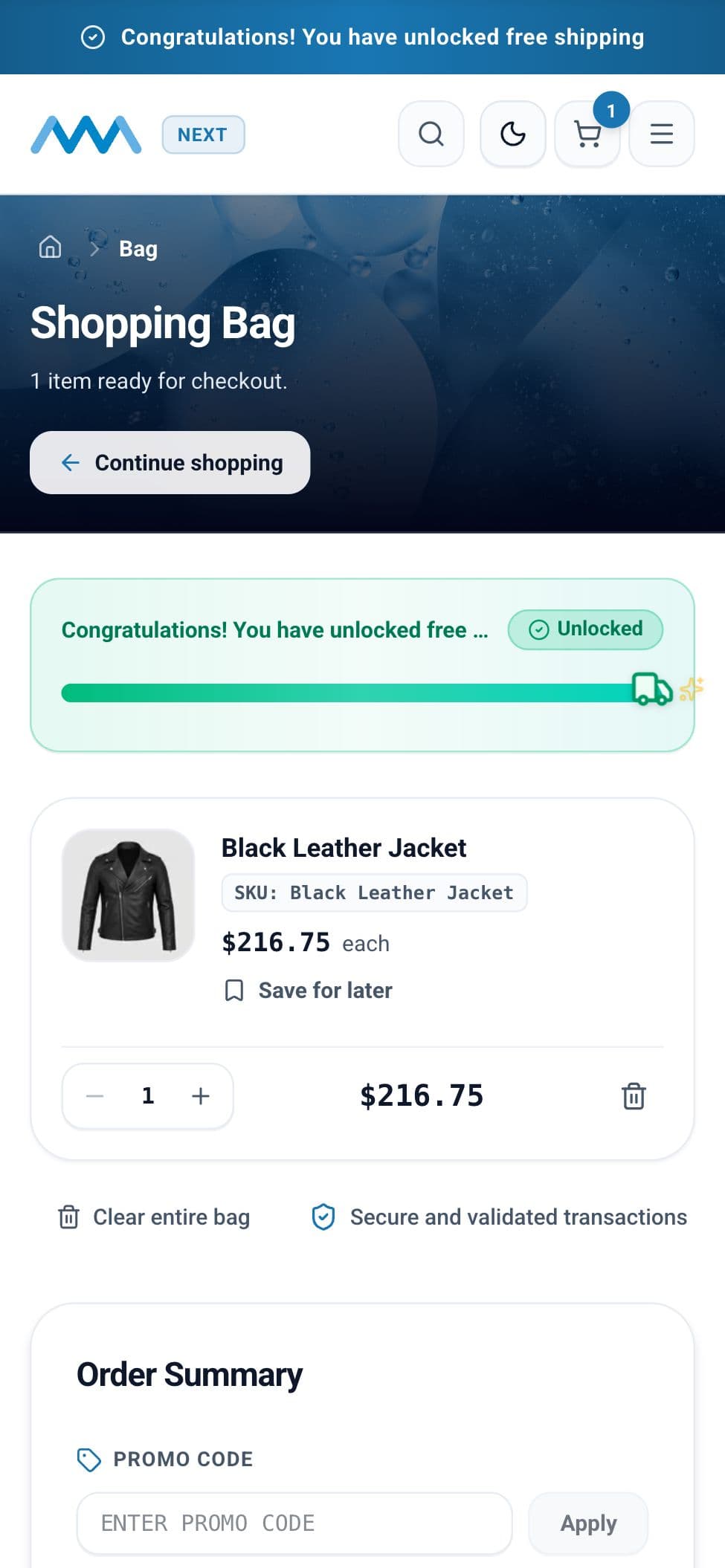
- Clean orders. Web orders become NetSuite sales orders with the right customer, items, tax, shipping, and payment, ready for fulfillment.
- Faster finance. Invoices, payments, and statements stay in NetSuite, so customer self-service shows the same numbers as your AR team.
The opposite approach, running a separate ecommerce platform and syncing it to NetSuite, can work well for simple retail. It gets harder as pricing, B2B rules, and locations multiply.
The four ways to sell online on NetSuite
1. SuiteCommerce Standard and SuiteCommerce Advanced
Oracle's own commerce products run inside the NetSuite ecosystem.
- SuiteCommerce Standard (SCS) is managed: you choose a theme, add extensions, and Oracle keeps the application current. You cannot change the core.
- SuiteCommerce Advanced (SCA) gives you the application source and custom extensions so you can change anything, at the cost of merging your changes into each new release.
Both are deeply integrated and require a SuiteCommerce license in addition to NetSuite. Compare them in detail in SuiteCommerce Advanced vs Standard vs headless.
2. A SaaS platform connected to NetSuite
Shopify, BigCommerce, Adobe Commerce, and others connect to NetSuite through a connector or integration platform. The ecommerce platform keeps its own catalog, customers, and orders, and the connector moves data in both directions.
This model offers huge app ecosystems and channel integrations. The trade-off is two systems of record for commerce data and a sync layer to monitor. See Shopify + NetSuite and BigCommerce + NetSuite.
3. A custom headless build
Your team or an agency builds a frontend (often Next.js) on top of NetSuite APIs. You get full control and a modern stack, and you also own the integration, checkout, account area, admin tools, hosting, and every future change.
4. A commerce platform built for NetSuite
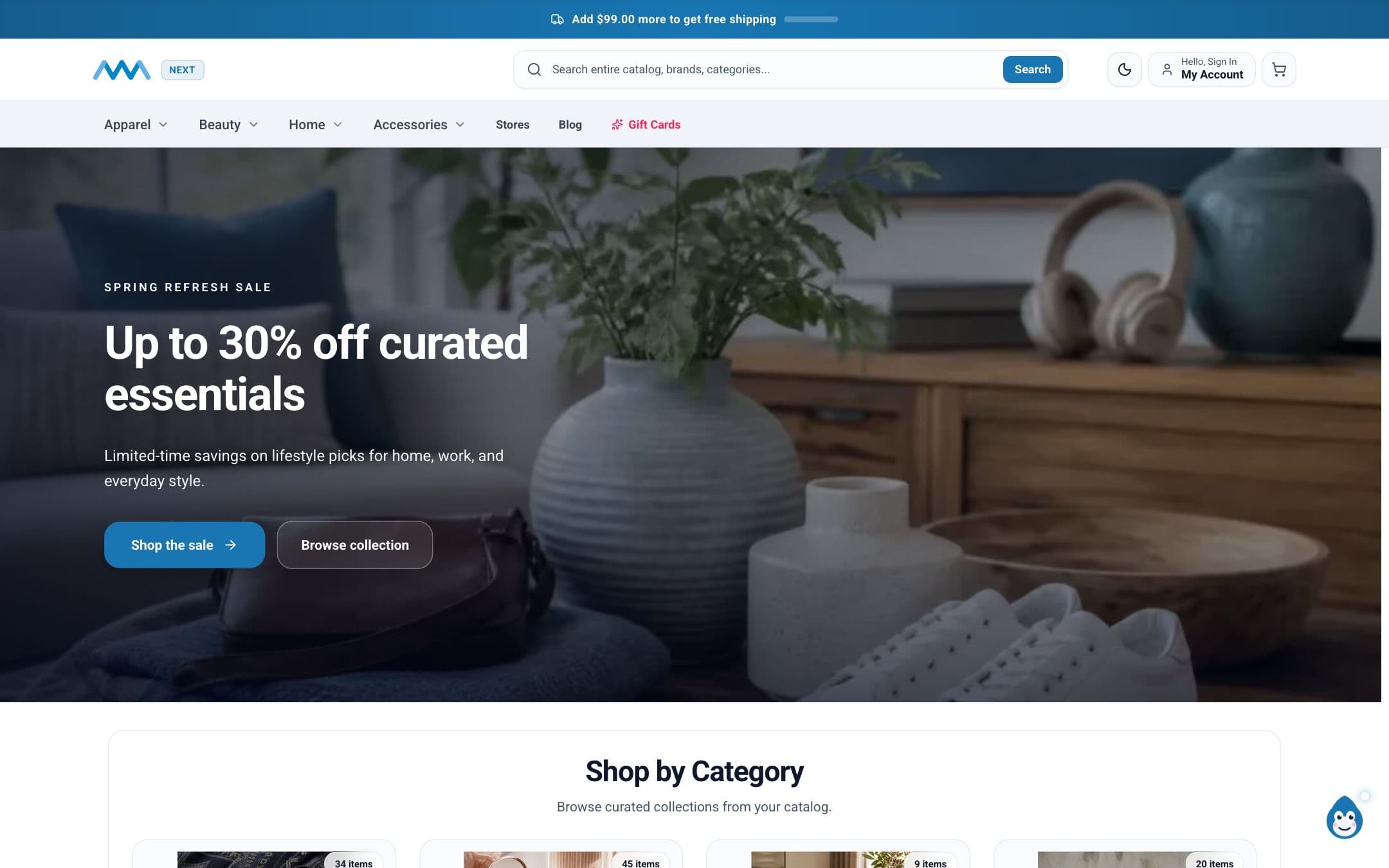
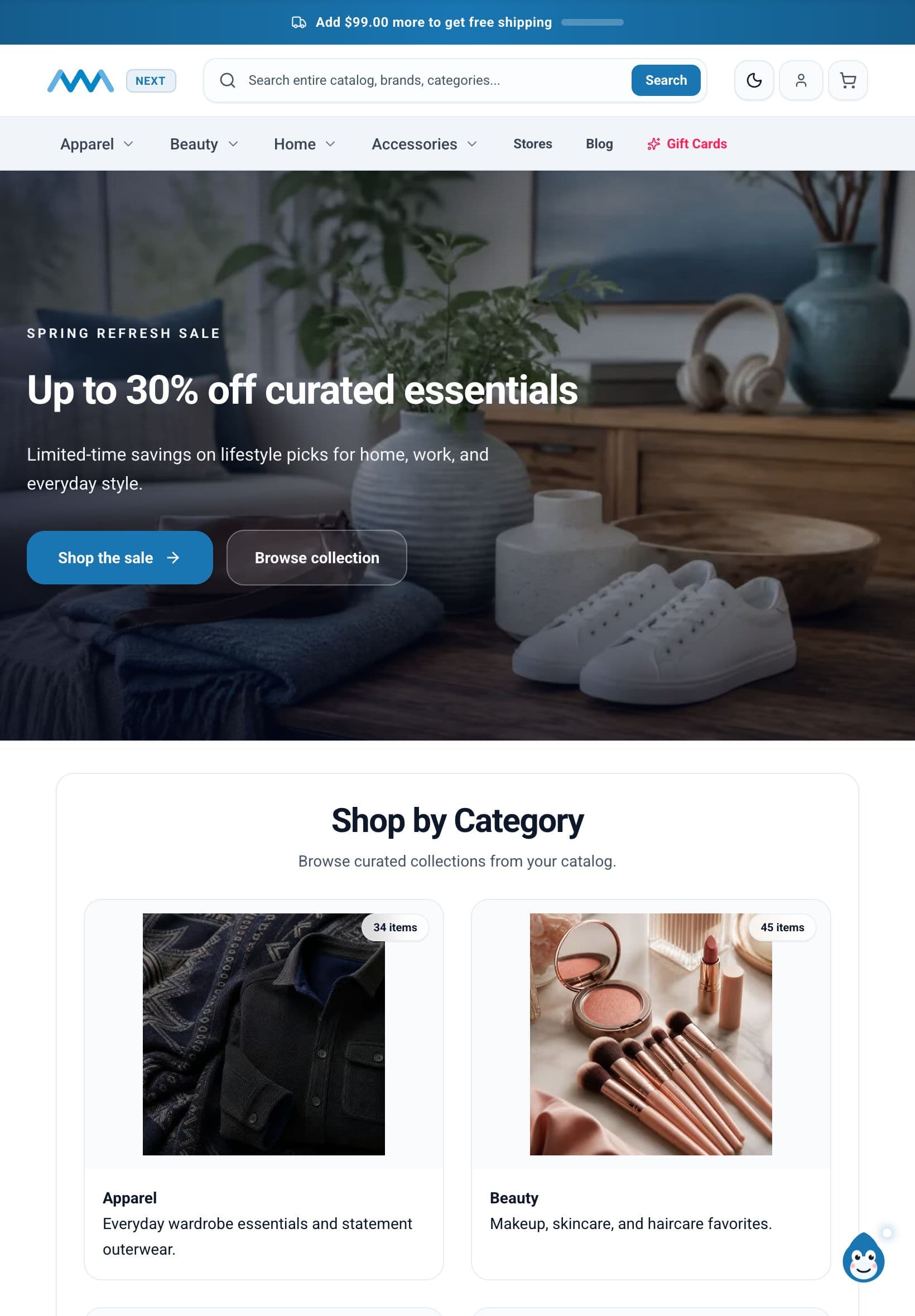
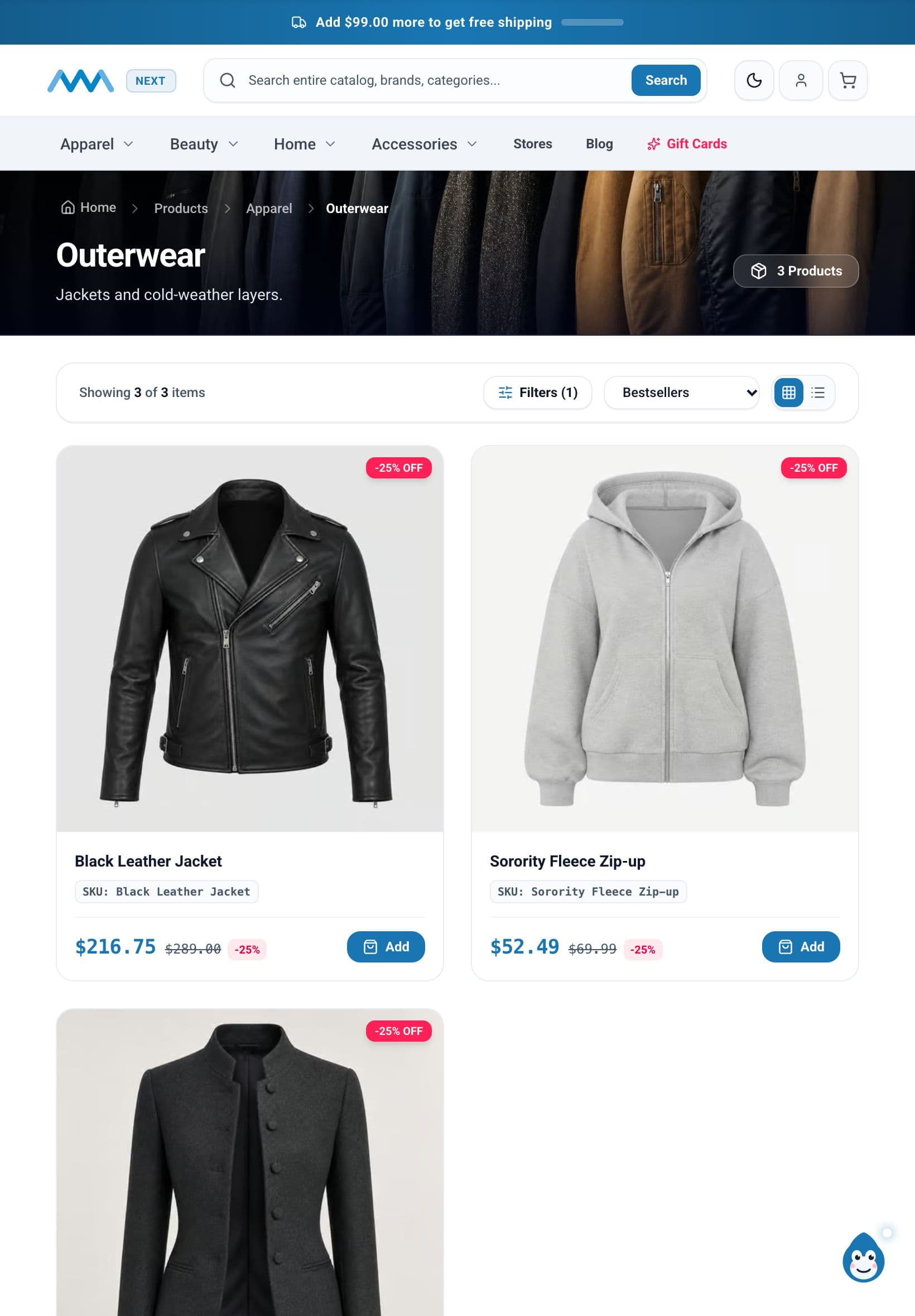
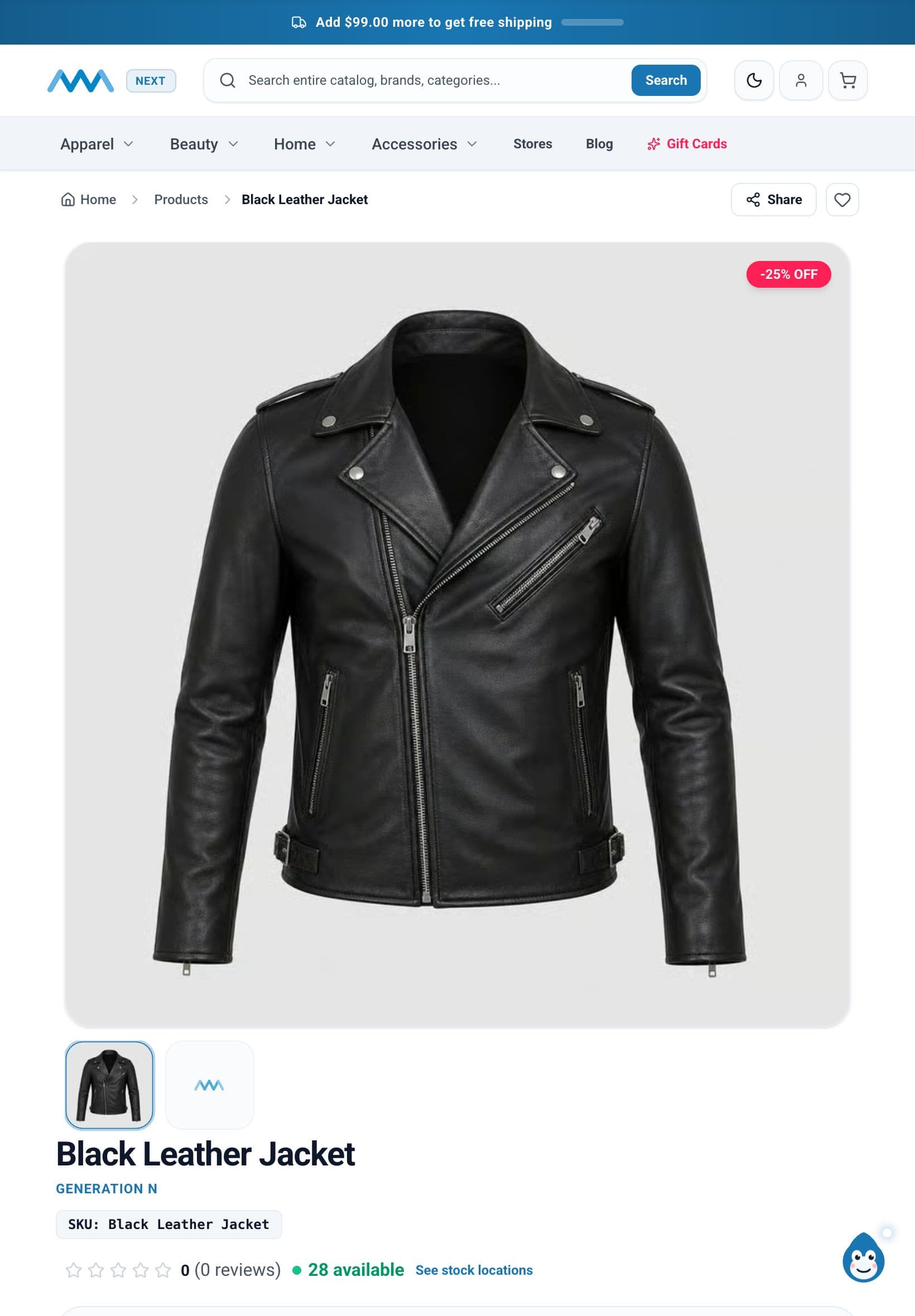
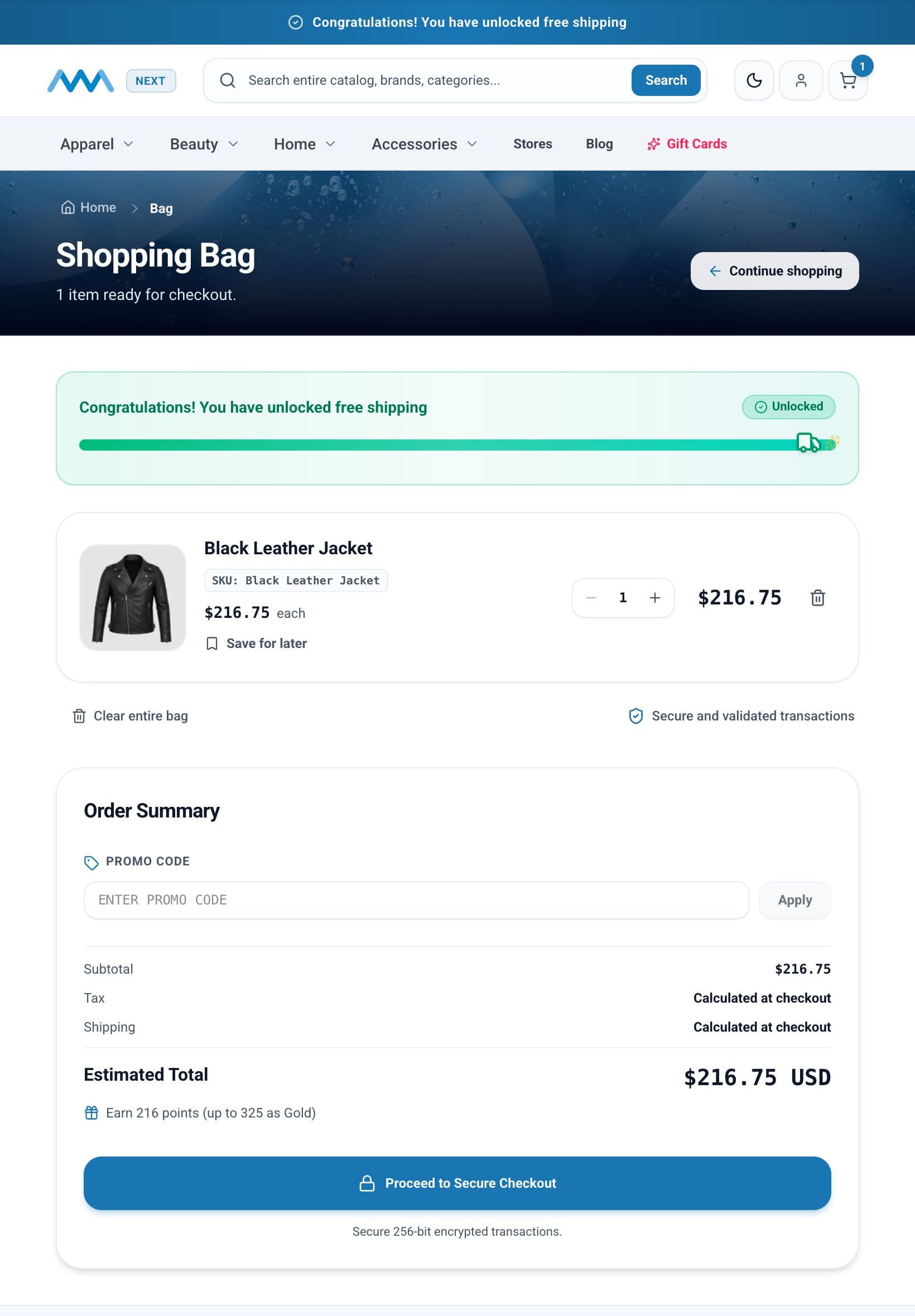
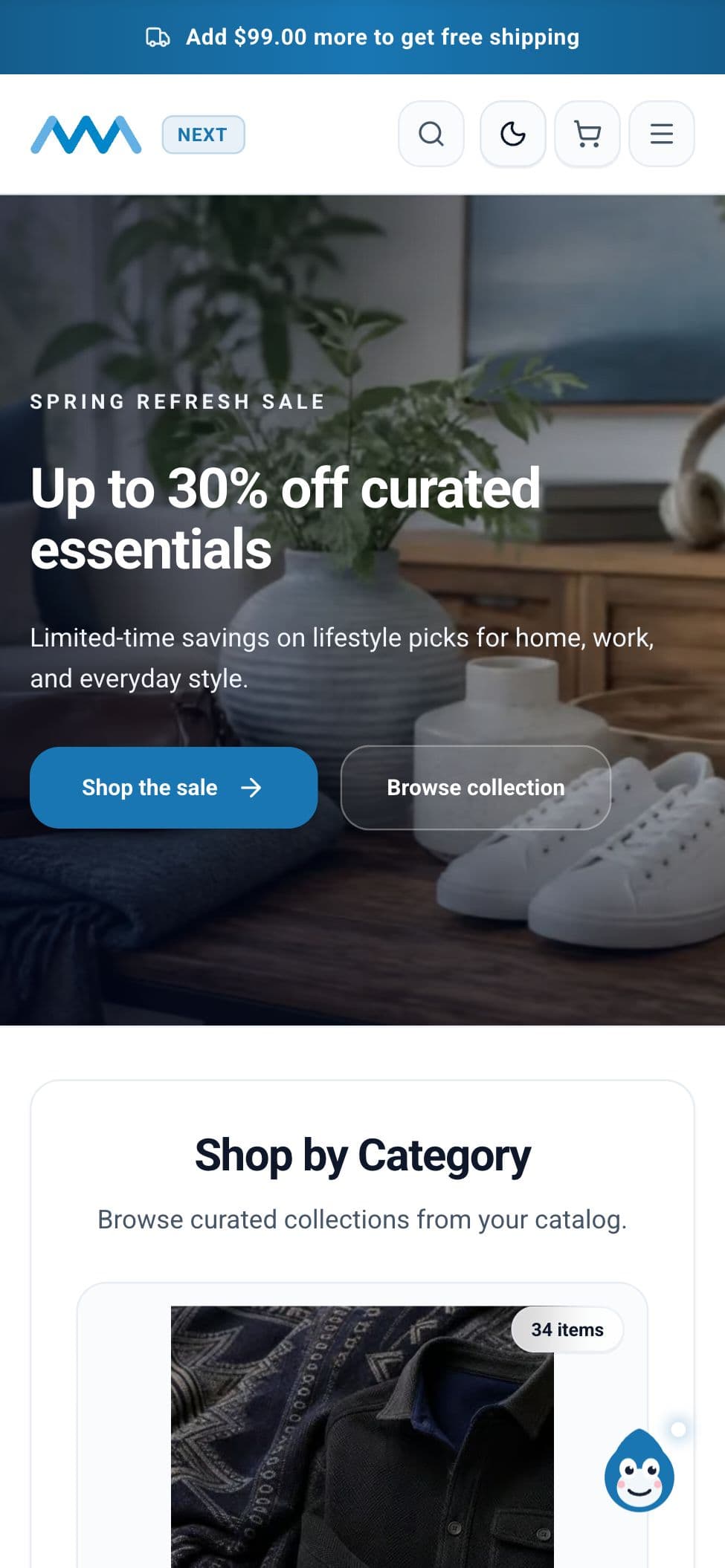
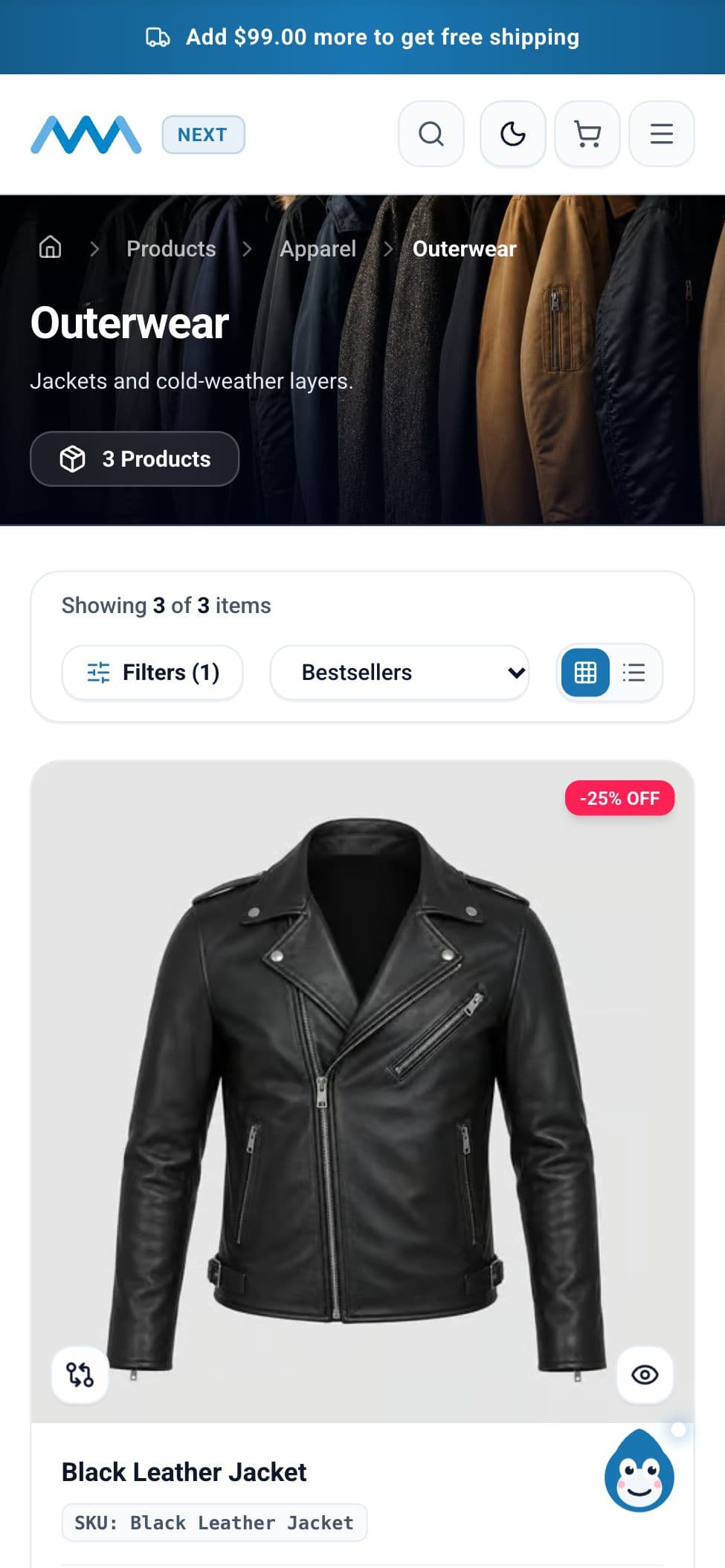
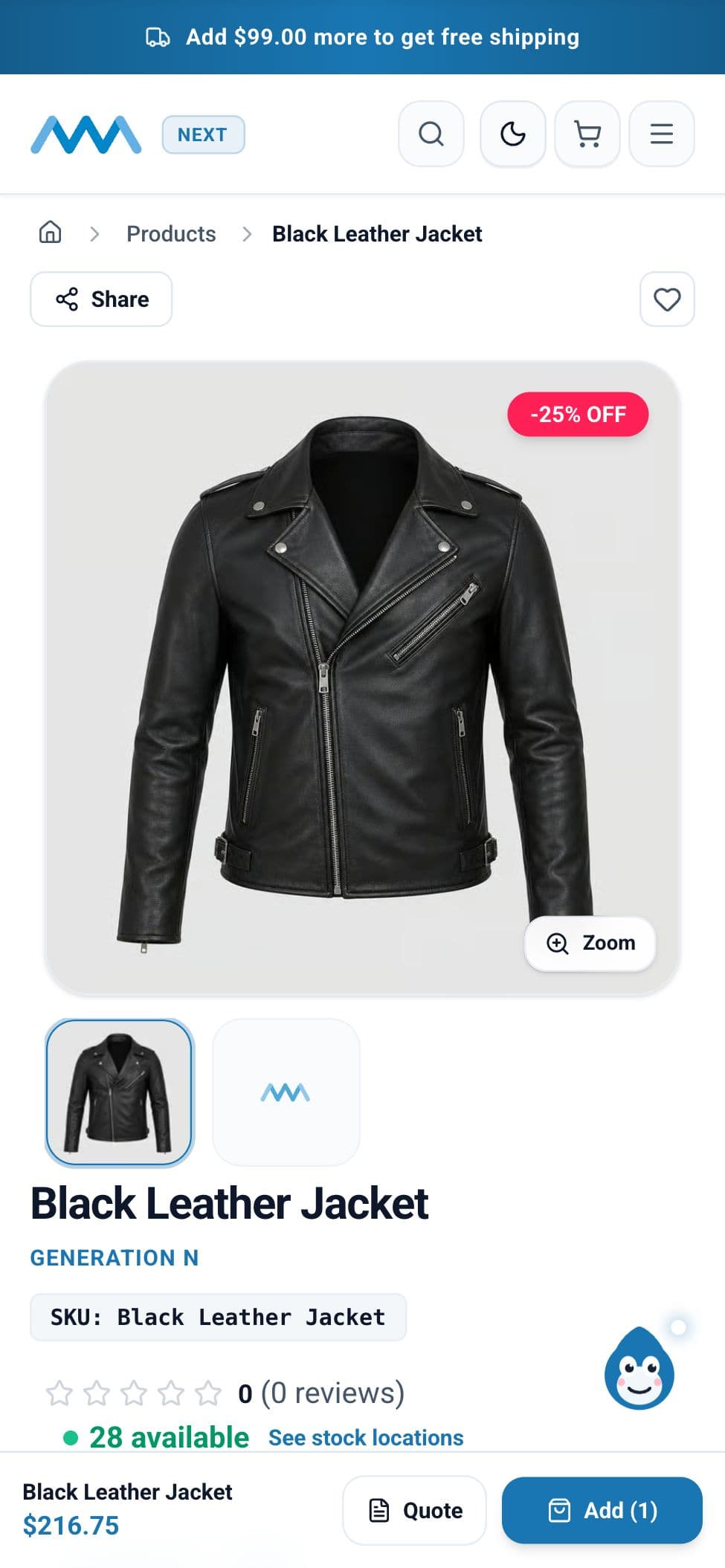
A platform built specifically for NetSuite reads catalog, pricing, inventory, and customers directly from the ERP and creates orders there, with a modern storefront and an admin already built. AwaCommerce Next is in this category: a SuiteApp with a Next.js storefront, a cloud Admin, and no SuiteCommerce license.
How NetSuite ecommerce integrations work
Every option above answers the same five questions differently. Ask them of any vendor:
| Question | What good looks like |
|---|---|
| Where is the item master? | NetSuite only. Web content can be enriched, but items are not recreated elsewhere. |
| How fresh is inventory? | Real time or near real time, and re-checked at checkout. |
| Where do prices come from? | NetSuite price levels, customer pricing, and quantity breaks, re-validated at checkout. |
| How are orders created? | Directly as NetSuite sales orders, with idempotent retries so an order is never duplicated. |
| What APIs are used? | SuiteTalk REST, SuiteQL, RESTlets, and OAuth 2.0, which carry forward to NetSuite Next. |
Batch sync is the most common source of trouble. If stock updates every hour, fast-moving items oversell. If prices sync nightly, a price change takes a day to reach buyers. Learn more in real-time inventory sync between NetSuite and your online store.
What B2C shoppers expect
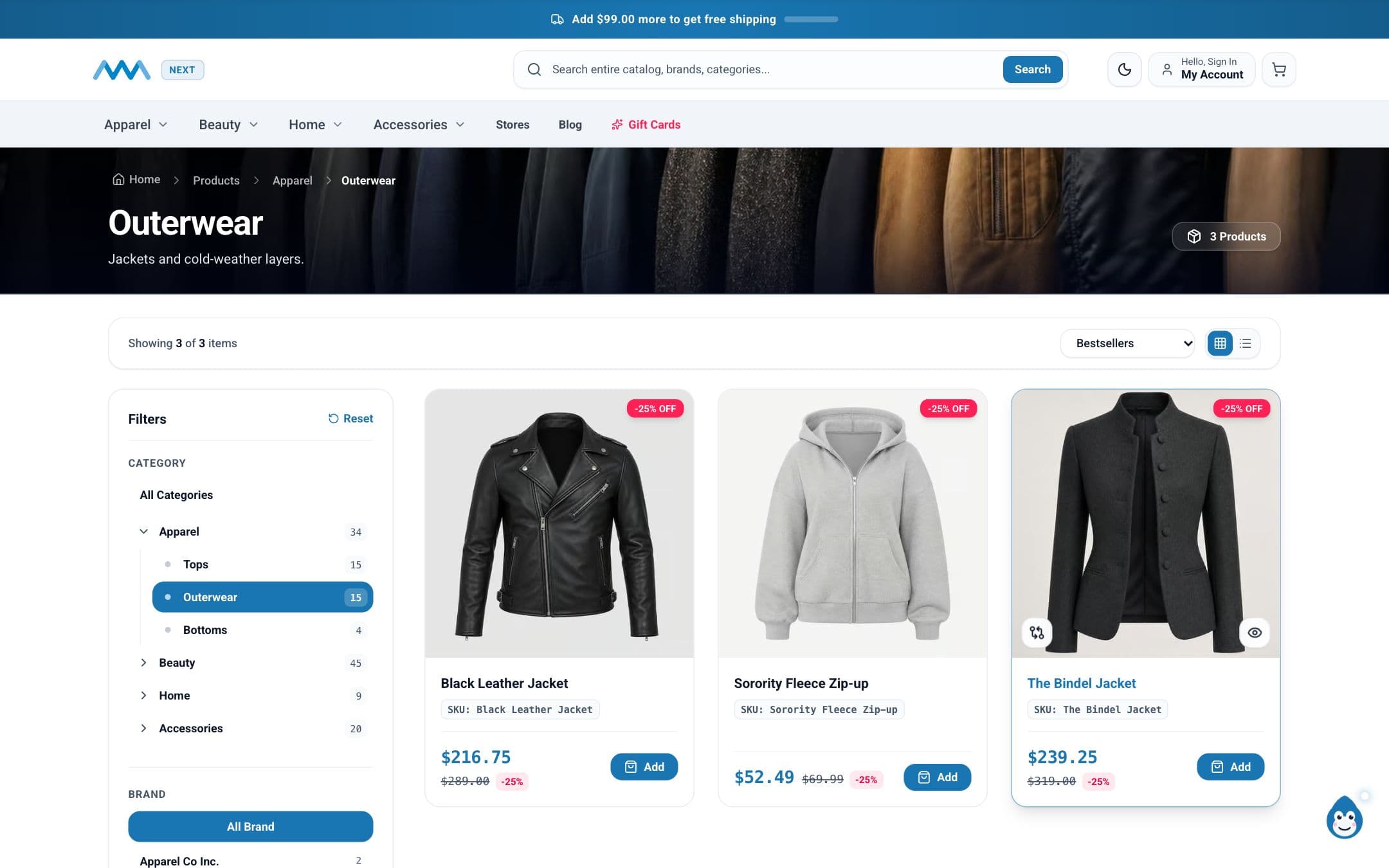
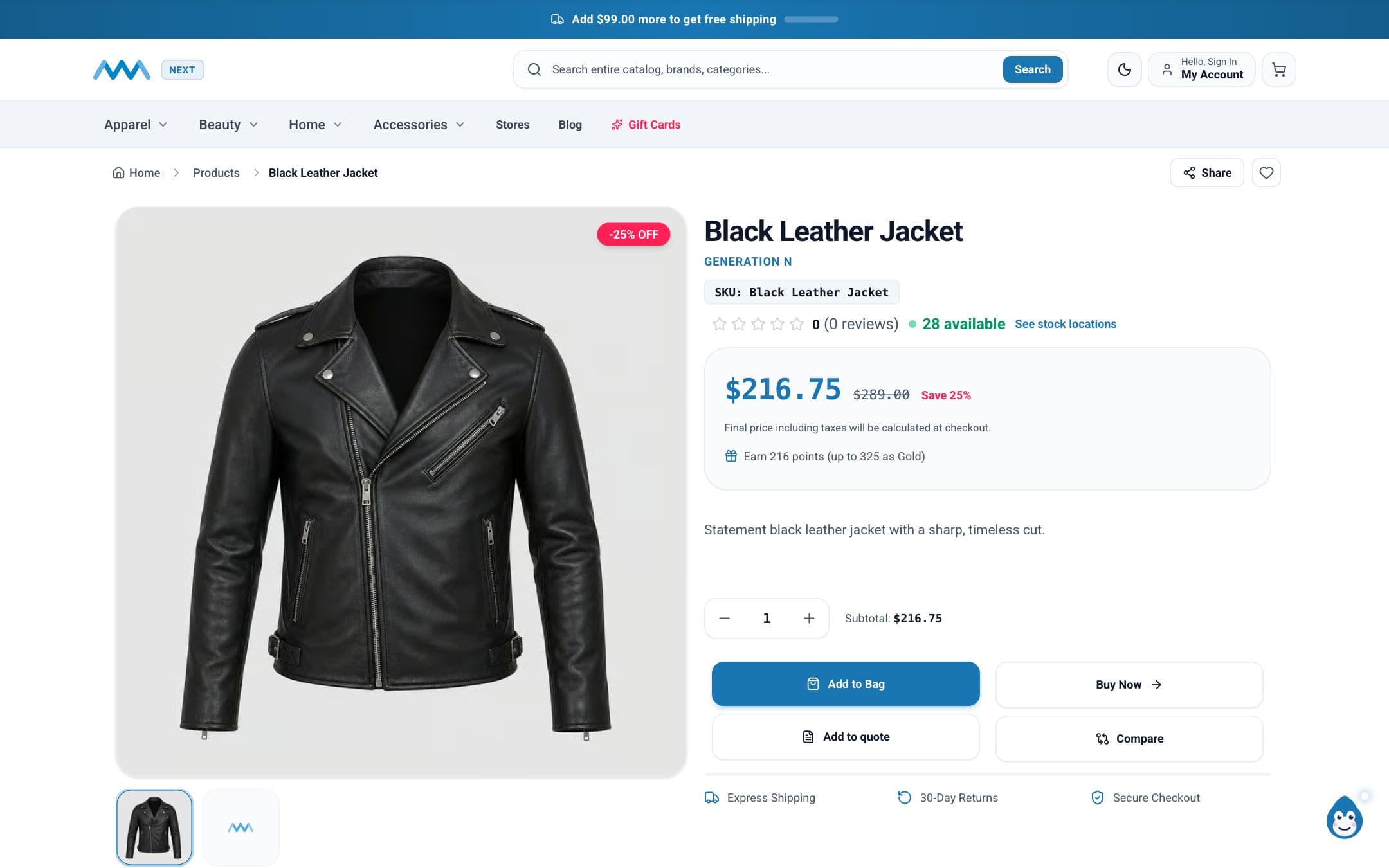
Direct-to-consumer buyers compare you with the best stores they use every day. A NetSuite B2C storefront should offer:
- Speed on mobile. Good Core Web Vitals help rankings and conversion.
- Search that works. Faceted filters, typo tolerance, category suggestions, and trending searches.
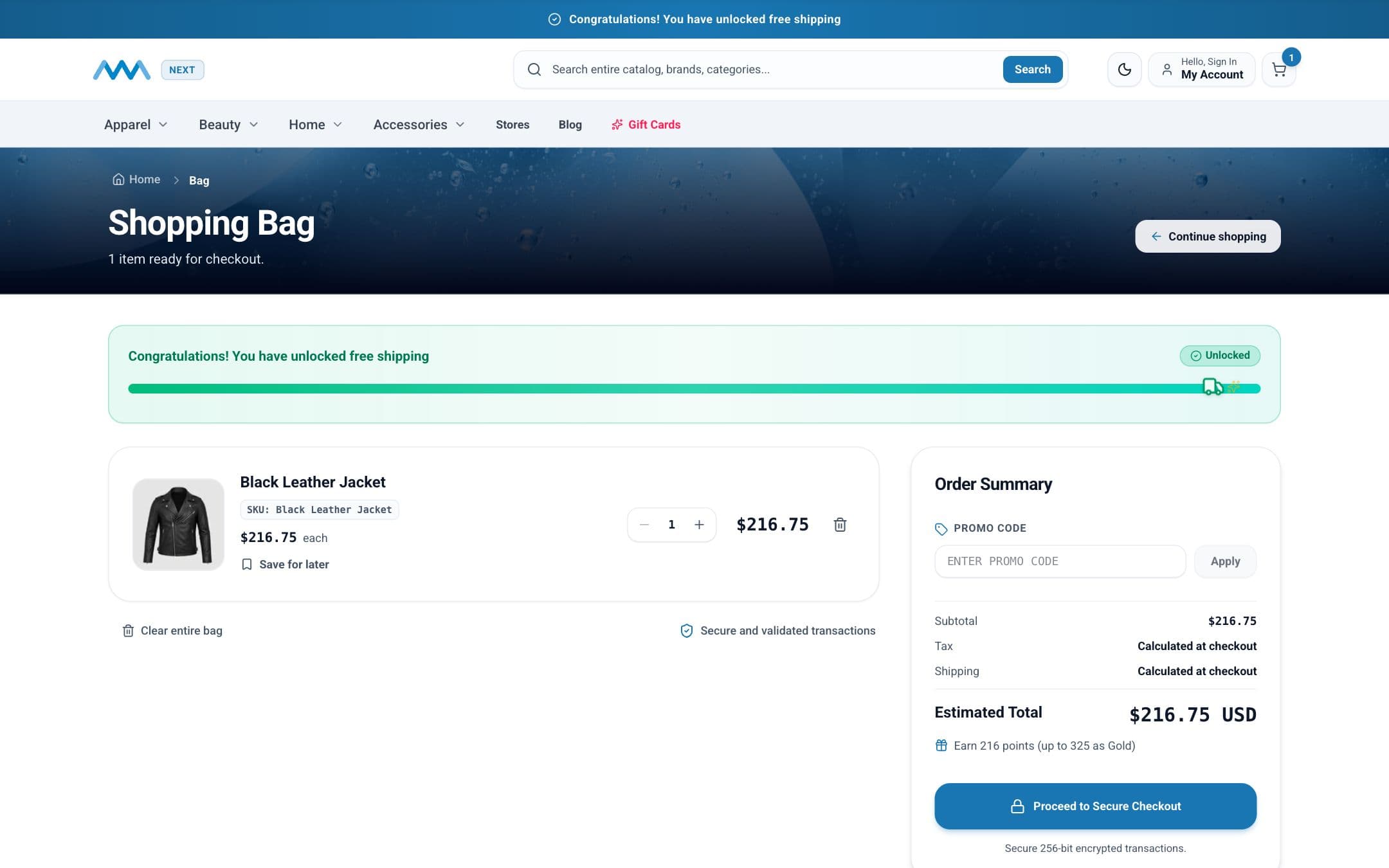
- Fast checkout. Guest checkout, Apple Pay, Google Pay, PayPal, and pay over time.
- Trust signals. Reviews and ratings, live stock, clear shipping costs, and order tracking.
- Retention tools. Wishlists, loyalty points, subscriptions for replenishment items, and back in stock alerts.
See how this looks on NetSuite in NetSuite B2C ecommerce.
What B2B buyers expect
Wholesale buyers want to place orders without calling or emailing. A NetSuite B2B portal should offer:
- Their price. Customer-specific price levels, contract prices, and quantity tiers. See customer-specific pricing.
- Fast ordering. Quick order by SKU, CSV order import, multi-add on product and listing pages, and one-click reorder.
- Quotes. Request a quote from the cart and turn an approved quote into an order. See B2B quotes.
- Their terms. PO numbers, Net terms, credit limits, and tax exemption from NetSuite.
- Self-service finance. Invoices, statements, AR balance, and online invoice payment.
- Account structure. Parent and child accounts, multiple buyers, and purchase limits.
The full picture is on the NetSuite B2B portal page.
Multi-site, OneWorld, and international selling
Many NetSuite merchants run more than one brand, region, or channel. Look for a platform that can:
- Run several storefronts and portals from one NetSuite account and one admin
- Map each site to a OneWorld subsidiary, currency, and catalog
- Share customers where it makes sense and separate them where it does not
See multi-site and OneWorld ecommerce.
Performance and SEO
Search engines reward fast, crawlable stores. The platform choice sets your ceiling:
- Rendering. Server-rendered pages load and index faster than heavy client-only applications.
- Hosting. A global edge network serves pages close to shoppers.
- Structured data. Product, price, availability, and review markup help rich results and AI assistants.
- Redirects. When you replatform, every old URL needs a permanent 301 redirect to its new page.
If you are moving off SuiteCommerce, read how to migrate without losing SEO.
Total cost of ownership
License fees are only part of the cost. Compare these lines for each option over three years:
| Cost line | SuiteCommerce | SaaS + connector | Custom headless | Built-for-NetSuite platform |
|---|---|---|---|---|
| Commerce license | SuiteCommerce license on top of NetSuite | Platform subscription | None | Platform license |
| Integration | Included | Connector subscription and mapping work | Build and maintain yourself | Included |
| Apps and extensions | Extensions | App subscriptions | Build yourself | Packs, added when needed |
| Upgrades | Release merges for SCA | Managed by vendor | Your team | Managed by vendor |
| Data reconciliation | Low | Ongoing | Depends on build | Low |
| Hosting | Included | Included | You pay and operate | Included |
| Developer dependence | High for SCA | Medium | High | Low for day-to-day changes |
The cheapest license is often not the cheapest option once integration, apps, upgrades, and staff time are included.
How to choose: a checklist
Score each option against these questions:
- Does NetSuite stay the only item master?
- Are NetSuite price levels and customer pricing used without re-entry?
- Is inventory real time and re-checked at checkout?
- Can it run B2C, B2B, and a customer account portal from one catalog if you need them?
- Can marketing change layouts, content, and promotions without a developer?
- What happens at upgrade time?
- Does it use the NetSuite APIs that carry forward to NetSuite Next?
- Can you see it working, on realistic data, before you sign?
- How are old URLs redirected if you are replatforming?
- What is the three-year total cost, including integration and staff time?
Where AwaCommerce Next fits
AwaCommerce Next is a commerce platform built for NetSuite and directly connected to it:
- A SuiteApp connects through SuiteTalk REST, SuiteQL, RESTlets, OAuth 2.0, and SuiteScript 2.1. It is NetSuite Next Ready.
- Real-time sync of items, matrix items, price levels, inventory by location, and customers, with no middleware.
- Checkout re-validates price, stock, tax, and shipping against NetSuite and creates the sales order there.
- Three experiences from one catalog: a B2C storefront, a B2B portal, and a customer account portal.
- A cloud Admin with a layout builder, eight skins, landing pages, tracking, and feature switches. It can optionally be embedded in NetSuite.
- Modular licensing: Store Essential, Store Professional, or Portal Professional, plus packs such as Advanced B2B, Advanced B2C, AI, Loyalty, Promotions, Subscriptions, Blog, Stores, and Multi Login.
- No SuiteCommerce license required.
It is not the right fit for every merchant. If your catalog is simple retail and you depend on a large app marketplace or many social selling channels, a SaaS platform with a connector may serve you better.